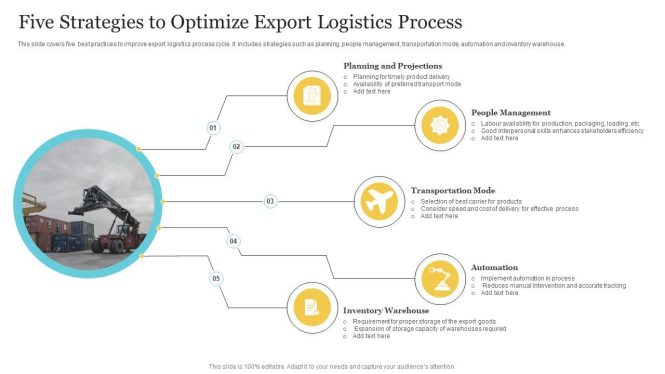

Strategies to Optimize International Logistics and Distribution are vital for businesses operating across borders. Imagine seamless global trade, where products reach customers efficiently and affordably. This translates into increased market share, reduced costs, and enhanced brand reputation. International logistics and distribution are facing increasing challenges, including fluctuating currency exchange rates, complex customs regulations, and supply chain disruptions. This article will explore strategies to optimize your international logistics and distribution process, from improving shipping choices to leveraging technology solutions.
Understanding the Importance of Optimized International Logistics
International Logistics as a Competitive Advantage
International trade, a cornerstone of global commerce, demands efficient logistics to succeed in the current business landscape. Businesses aiming to expand their market presence can gain a significant competitive edge by optimizing international logistics and distribution. In a globalized market, companies can increase their revenue streams and improve customer satisfaction through faster, cheaper, and reliable delivery of goods to new markets. This process goes far beyond just shipping; it encompasses the entire journey of a product from origin to consumer, including warehousing, customs clearance, and transportation.
Challenges in International Logistics
Businesses often face numerous hurdles when navigating the complex landscape of international logistics. These challenges range from fluctuating currency exchange rates to complicated customs regulations, making consistent operation across various geographical areas a significant issue. Disruptions in the global supply chain and rising transportation costs add further complexity to the situation. Efficiently managing these challenges is crucial for maintaining profitability and sustaining market presence.
Choosing the Right Transportation Methods
Evaluating Different Transportation Modes
Effective international logistics hinges heavily on the selection of appropriate transportation methods. Businesses must carefully evaluate various options such as air freight, ocean freight, and ground transport. Each mode possesses unique characteristics in terms of cost, speed, and capacity, and each mode can influence the overall success of the distribution process. Businesses must balance these factors to achieve an optimal solution tailored to their specific needs. For instance, air freight is often preferred for time-sensitive deliveries, while ocean freight might be more cost-effective for bulk shipments over longer distances.
Utilizing Technology for Smarter Shipping Choices
Leveraging technology can play a significant role in choosing the most appropriate shipping method. Transportation management systems (TMS) can provide detailed analyses of different transport options, factoring in factors such as transit times, potential delays, and costs associated with each mode. Data-driven insights are critical for making informed decisions. Companies can use real-time tracking and monitoring tools to optimize routes and ensure on-time delivery. A key example of this is a company optimizing its shipping route by rerouting vessels after receiving updated information regarding weather patterns, thus reducing the risk of delays or damages.
Streamlining Customs and Regulatory Processes
Understanding Customs Procedures
Navigating international customs regulations is a critical aspect of international logistics. Businesses must comply with the specific rules and regulations of each country they operate in, accounting for varying import/export procedures. Failure to adhere to these rules can lead to significant penalties, delays, and disruptions in the supply chain. Companies need expertise and resources to understand and navigate the intricacies of customs processes in various countries.
Implementing Efficient Customs Compliance
Employing appropriate strategies for customs compliance is essential. This includes having a deep understanding of the specific import/export regulations of each country involved. Businesses can use compliance software and services to ensure smooth and accurate customs procedures. This includes utilizing tools to ensure documents are completed correctly. Employing qualified personnel for handling customs procedures is another important factor. This reduces the risk of costly mistakes and enhances the overall efficiency of the process.
Optimizing Inventory Management
Maintaining Optimal Inventory Levels
Effective inventory management is essential for ensuring optimal inventory levels. Careful planning and management of inventory levels is critical, balancing the need for sufficient stock with the potential for excessive storage costs and potential spoilage. Companies must forecast demand accurately to avoid stockouts or excess inventory. By accurately forecasting demand, businesses can efficiently manage inventory across different distribution centers and warehouses.
Utilizing Technology for Inventory Control
Employing Inventory Management Systems (IMS) is key in optimizing inventory control. These systems can track inventory levels in real time, monitor stock movements across different locations, and generate alerts when inventory levels fall below a certain threshold. Real-time visibility and control over inventory help businesses ensure they always have the right products in the right place at the right time.
Leveraging Technology for Enhanced Efficiency
Implementing Warehouse Management Systems (WMS)
Warehouse Management Systems (WMS) can improve warehousing efficiency by optimizing storage space utilization and streamlining order fulfillment. Businesses should consider a system that automates tasks such as receiving, picking, packing, and shipping goods, ensuring fast and efficient order processing and fulfillment. A well-implemented WMS enhances inventory accuracy and improves overall warehouse operations. WMS solutions can significantly improve warehouse efficiency, reducing wasted time, minimizing costs, and improving overall productivity.
Employing Transportation Management Systems (TMS)
Transportation Management Systems (TMS) are crucial tools for optimizing transportation operations. These systems consolidate and manage all transportation-related activities, from booking and tracking to route optimization and cost analysis. By employing a TMS, businesses gain control over the entire transportation process, allowing real-time monitoring of shipments and ensuring efficient logistics. In practice, a good TMS facilitates real-time visibility of shipments, allowing businesses to make adjustments as needed throughout the transportation cycle. By optimizing routes, TMS systems can ensure cost-effectiveness and delivery speed.
Building Strong Partnerships
Collaboration with Freight Forwarders and Suppliers
Building strong partnerships with freight forwarders and suppliers is critical for successful international logistics. These partnerships can reduce costs, enhance expertise, and provide specialized knowledge for navigating complex regulatory landscapes. Working with experienced freight forwarders who have a thorough understanding of international shipping procedures can help businesses ensure smooth and timely deliveries. Partnerships with suppliers can optimize inventory management and ensure continuous supply throughout the global supply chain.
Outsourcing Logistics Tasks
Outsourcing specific logistics tasks, such as customs clearance or warehousing, is a viable option for companies lacking expertise in certain areas. This strategy can free up internal resources, enabling the company to focus on core business functions. Specialization and experience in specific parts of the logistics process can lead to increased operational efficiency.
Measuring and Evaluating Performance
Key Performance Indicators (KPIs) for Logistics
Businesses must track key performance indicators (KPIs) to assess the effectiveness of their international logistics strategy. Tracking metrics such as delivery times, shipping costs, customs compliance rates, and order fulfillment rates is crucial. Monitoring these metrics allows for the identification of areas for improvement and the ability to adjust strategies as needed.
Continuous Improvement through Data Analysis
Collecting and analyzing data related to international logistics performance is crucial. This data provides insights into trends, bottlenecks, and areas requiring optimization. Analyzing historical data allows businesses to develop proactive strategies to address potential issues and refine processes for future operations. This continuous analysis of logistics data fosters continuous improvement and optimization of processes within the international supply chain. Tools like dashboards and reporting software can easily capture and provide insights for improvement through data visualization and analysis tools. For example, a company using a dashboard might see that shipping times to a specific region have increased by 15%, prompting an investigation into the underlying causes.
In conclusion, optimizing international logistics and distribution is crucial for success in today’s globalized marketplace. By focusing on these key strategies, businesses can improve efficiency, reduce costs, and enhance customer satisfaction. Implementing a robust international logistics strategy is an investment in long-term growth and success. Consider the key points discussed, adapt them to your specific situation, and embark on a journey of streamlined international logistics. To further refine your strategy, reach out to international logistics experts for consultations or explore resources like industry reports for more in-depth information and best practices.


