Strategies for Managing Financial Risks in the Manufacturing Industry are essential for long-term prosperity and stability. The manufacturing sector faces unique financial risks stemming from fluctuating market demands, supply chain disruptions, and economic downturns. Financial risk management is no longer an option; it’s a necessity for ensuring a resilient and profitable future. This article provides comprehensive insights into strategies for navigating these complexities, protecting your bottom line, and ultimately achieving sustainable growth within the dynamic manufacturing environment. We will delve into various risk assessment methodologies, explore proactive mitigation techniques, and offer practical advice for developing a tailored financial risk management plan. This guide will cover different types of risks, outlining effective approaches to mitigate each. We will also discuss critical components of a strong financial risk management framework within the context of the manufacturing industry.
Understanding the Nature of Financial Risks in Manufacturing
Identifying Key Areas of Vulnerability
The manufacturing industry is inherently susceptible to various financial risks. Fluctuations in raw material costs, unpredictable market demands, and unexpected supply chain disruptions can significantly impact profitability. Effective financial risk management involves a proactive approach, meticulously identifying and assessing potential threats. Manufacturers should identify key areas of vulnerability—from material sourcing to production capacity, market fluctuations to regulatory changes. A holistic risk assessment helps manufacturers understand the interconnectedness of various factors influencing their financial health. For example, consider a manufacturer heavily reliant on a single supplier for raw materials; a disruption in the supplier’s operations would directly impact production and potentially trigger substantial financial losses. This underscores the significance of diversification and robust contingency planning.
Types of Financial Risks
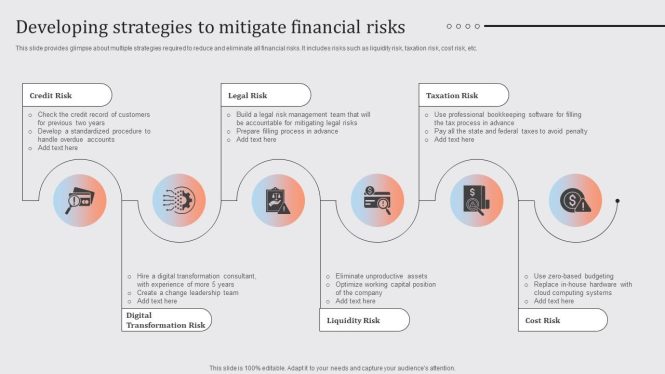
Financial risks in manufacturing encompass several categories: market risks, credit risks, operational risks, and regulatory risks. Market risk relates to fluctuations in demand and pricing. Credit risk concerns the possibility of non-payment by customers or suppliers. Operational risk involves disruptions in production processes. Regulatory risk arises from changing government regulations. Understanding and categorizing these risks allows for a targeted approach to mitigation. For instance, a manufacturer can use hedging strategies to manage market risk or implement stringent credit control measures to manage credit risk.
Proactive Risk Assessment and Mitigation Strategies
Developing a Comprehensive Risk Assessment Framework
Creating a comprehensive risk assessment framework is paramount for effective financial risk management. The framework should encompass a detailed inventory of potential risks, their probability of occurrence, and their potential impact. Quantitative analysis, such as scenario planning and sensitivity analysis, should be employed to estimate the financial implications of different scenarios. Qualitative analyses such as SWOT analysis and PESTLE analysis can provide a broader understanding of internal and external factors. Developing such a framework should involve collaboration across different departments, including finance, operations, and marketing, to ensure a holistic view of the organization’s vulnerability. For example, a manufacturer might model different scenarios of rising raw material costs and their impact on pricing strategy and profitability. This allows for preemptive mitigation strategies.
Implementing Mitigation Strategies
Once risks are identified, strategies for mitigation must be implemented. Strategies often include diversification, hedging, insurance, and contingency planning. Diversification of suppliers, products, and markets reduces reliance on singular sources. Hedging techniques, such as forward contracts or options, can mitigate price volatility. Insurance can protect against certain risks, such as property damage or legal liabilities. Contingency plans should outline alternative courses of action for unexpected events to minimize disruptions and financial losses. For example, a manufacturer might consider multiple sourcing options for raw materials to reduce dependence on any single supplier. This strategic approach safeguards production in case of supplier issues or price hikes.
The Role of Contingency Planning and Financial Forecasting
Building Contingency Plans for Unexpected Events
Contingency planning plays a critical role in mitigating financial risks. This involves anticipating potential disruptions and outlining alternative courses of action. A comprehensive contingency plan should include detailed steps for handling potential events like natural disasters, supply chain disruptions, or economic downturns. These plans should be regularly reviewed and updated to ensure their relevance and effectiveness. For example, a manufacturer facing potential supply chain disruptions might develop an alternative sourcing plan for critical components, securing backup suppliers in advance. This ensures continuity in production should the primary supplier face difficulties.
Employing Financial Forecasting for Proactive Measures
Accurate financial forecasting is essential for anticipating financial risks. It helps to predict potential issues and formulate proactive measures to mitigate them. Forecasting models should consider various factors such as market trends, economic indicators, and operational performance. Consistent monitoring and adjustments based on new data are critical. For example, a manufacturer using a financial forecasting model that anticipates a decline in demand due to changing consumer preferences can adjust production levels and inventory accordingly.
Enhancing Financial Stability Through Effective Budgeting and Cash Flow Management
Implementing Robust Budgeting Processes
A robust budgeting process is fundamental for managing financial risks. Budgeting should align with strategic objectives and reflect anticipated revenue and expenditure patterns. Regular monitoring and variance analysis are essential for identifying deviations and taking corrective actions. This ensures resources are allocated effectively to meet operational needs while maintaining financial stability. For example, a manufacturing company should allocate budget for future development, including new equipment, expansion, or research and development. This helps maintain sustainability while maintaining financial stability.
Strengthening Cash Flow Management
Effective cash flow management is crucial for preventing financial distress. Cash flow statements provide insight into the company’s ability to meet its obligations. Developing strategies to optimize cash inflow and reduce outflow can significantly improve financial stability. Negotiating favorable payment terms with suppliers, streamlining payment processes for customers, and exploring financing options are key strategies. For instance, a manufacturer could establish a strong credit policy to ensure timely payments from customers, promoting strong cash flow.
Integrating Technology and Data Analysis for Enhanced Decision-Making
Leveraging Data Analytics for Risk Prediction
Technology plays an increasingly important role in financial risk management. Data analytics tools can identify patterns and trends that might indicate potential risks. By analyzing historical data, market trends, and operational performance, manufacturers can predict potential issues and implement proactive measures. For example, a manufacturer can use data analytics to identify and predict seasonal fluctuations in demand to adjust inventory levels proactively. This is vital for optimized inventory management and maximizing resource utilization.
Implementing Automated Risk Monitoring Systems
The implementation of automated risk monitoring systems can enhance efficiency and accuracy. These systems can provide real-time data on key financial metrics and trigger alerts for potential deviations or risks. This helps in identifying potential problems quickly and responding accordingly. For instance, a manufacturer can set up an automated system that monitors key financial ratios, such as debt-to-equity, and send alerts if these ratios fall outside predetermined thresholds. This facilitates timely corrective measures.
Utilizing Insurance Strategies to Protect Against Unforeseen Events
Exploring Different Insurance Options
Insuring against specific risks can significantly mitigate their financial impact. Manufacturers should assess their specific needs and explore different insurance options, such as property insurance, liability insurance, and business interruption insurance. Insurance should be tailored to the company’s specific operating environment and risk profile. For instance, a manufacturer operating in a high-risk area for natural disasters might consider purchasing specialized insurance coverage to protect against such events.
Evaluating Insurance Coverage Needs
Careful evaluation of insurance coverage is vital. This involves thoroughly reviewing policy terms and conditions, ensuring adequate coverage for all potential risks. Understanding the scope and limitations of different policies is crucial for effective risk management. For example, a manufacturer should consider adding specific clauses within their insurance policy to cover potential loss of revenue due to supply chain disruptions or production downtime. This helps in optimizing coverage for all potential risks.
The Significance of Financial Risk Management in Achieving Long-Term Goals
Building a Sustainable and Resilient Organization
Effective financial risk management is paramount for building a sustainable and resilient organization. By proactively mitigating potential financial risks, manufacturers can ensure long-term profitability and growth. This proactive approach allows the company to adapt to changing market conditions and economic fluctuations while maintaining stability. For instance, a manufacturer consistently adhering to good financial risk management practices will likely have a more positive credit rating, leading to better access to loans or investments for future expansion.
Fostering Trust and Confidence
Strong financial risk management practices foster trust and confidence among stakeholders, including investors, customers, and employees. A transparent and well-managed approach to financial risks demonstrates a commitment to long-term viability, attracting investments and building loyalty. For example, consistent compliance with industry regulations and ethical financial practices demonstrates a company’s commitment to sustainability and strengthens its reputation.
Implementing Key Performance Indicators (KPIs) and Monitoring Metrics for Risk Management
Building an Effective Risk Management Team and Culture
Cultivating a Risk-Aware Culture
Establishing a proactive risk-conscious culture within the manufacturing organization is paramount. This involves training employees at all levels in risk identification, assessment, and mitigation techniques. Encouraging open communication and collaboration between different departments fosters a more comprehensive approach to risk management. This culture encourages employees to actively identify and report potential risks, improving the overall effectiveness of the process. For instance, implementing regular workshops and training sessions on risk assessment and mitigation can equip employees with the necessary skills and knowledge.
Designing and Establishing Effective Communication Channels
Establishing clear communication channels for risk reporting and escalation is essential. This includes establishing procedures for reporting potential risks, escalating concerns to relevant authorities, and ensuring that all parties involved have access to the necessary information. This helps ensure that risks are communicated effectively and addressed promptly. For example, establishing a dedicated email address, a reporting form, or an online portal for risk reporting can streamline the process and improve efficiency.
In conclusion, strategically managing financial risks in manufacturing is crucial for long-term success. By implementing robust financial risk management strategies, manufacturers can mitigate potential losses, optimize resource allocation, and enhance profitability. The strategies outlined in this article offer a practical framework for manufacturers to identify and address financial risks effectively. By proactively addressing these issues, manufacturers can navigate economic uncertainties with greater confidence and achieve sustainable growth. To implement these strategies effectively, manufacturers should consult with financial advisors and develop tailored financial risk management plans tailored to their specific needs and circumstances.


