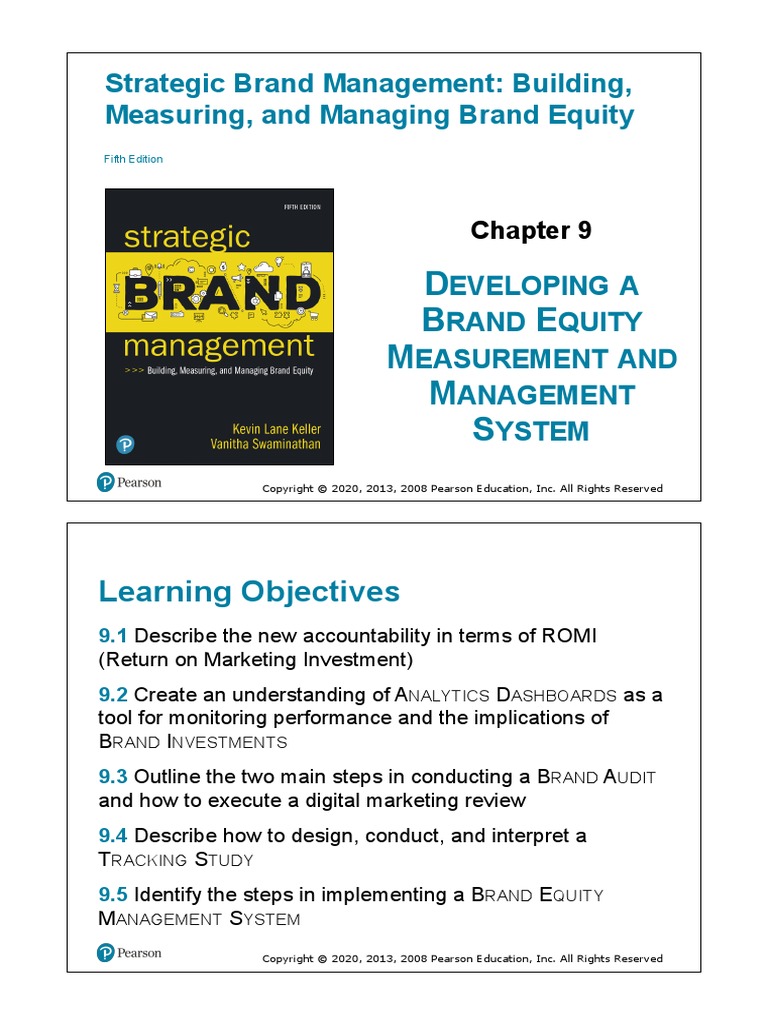
Understanding the key metrics for measuring brand equity and developing a comprehensive success plan is essential for any business striving to thrive in today’s competitive market. A strong brand equity is the bedrock of long-term success and profitability, driving customer loyalty and market share. However, many businesses struggle to accurately assess their brand equity and develop effective strategies to bolster their market presence. This article explores the key metrics for measuring brand equity, and we’ll provide a framework for developing a sustainable success plan that you can immediately apply to strengthen your brand.
Defining Brand Equity and its Importance
Understanding the Core Concept
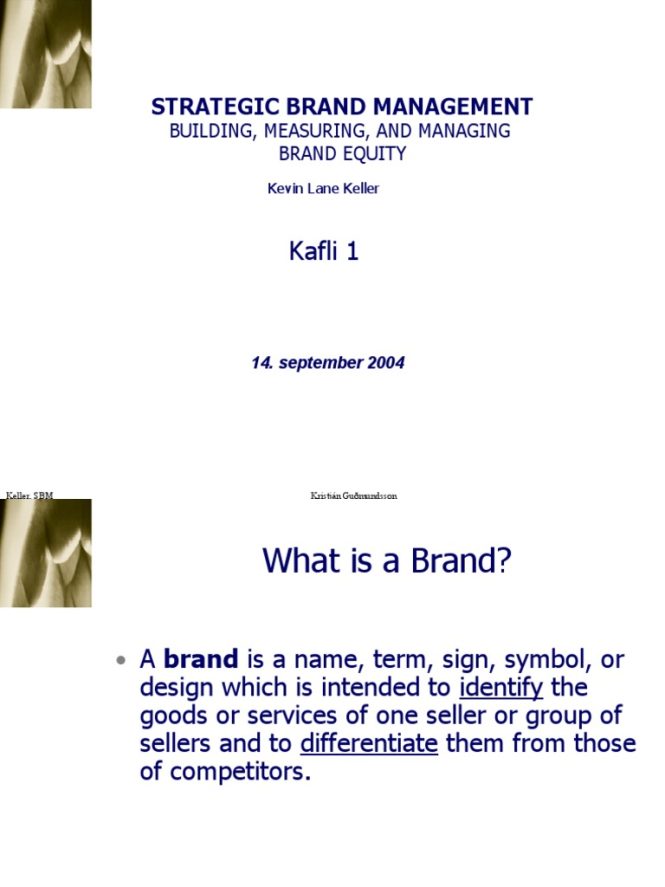
Brand equity, essentially, is the value a brand holds in the market. It encapsulates the overall perception, reputation, and customer loyalty associated with a particular brand. A strong brand equity translates to higher customer retention, increased customer lifetime value (CLTV), and significant competitive advantage. For instance, a company with substantial brand equity, like Coca-Cola, can command premium prices and enjoy consistent sales even during market downturns. The key lies in understanding that brand equity isn’t static; it’s a dynamic entity that fluctuates based on market trends, consumer behavior, and strategic initiatives.
Measuring Brand Awareness
Utilizing Surveys and Social Media Analytics
Brand awareness is a critical metric in assessing brand equity. It measures the extent to which consumers recognize and recall a brand. Companies can use various methods to measure brand awareness, including surveys, focus groups, social listening tools, and website analytics. These tools help businesses understand the level of consumer recognition and assess if their brand messaging is resonating with the target audience. A strong brand awareness often translates into increased brand consideration and eventual brand preference.
Evaluating Perceived Quality
Focusing on Customer Feedback and Product Reviews
Perceived quality is another pivotal element of brand equity. It reflects the customer’s perception of the brand’s products and services, taking into account factors such as design, durability, performance, and reliability. Positive reviews and recommendations from customers play a significant role in shaping the perceived quality of a brand. Companies can leverage online reviews, feedback forms, and customer satisfaction surveys to gauge customer sentiment towards the product quality and service delivery. Consistent positive feedback helps to solidify a positive brand image.
Assessing Brand Loyalty
Identifying Repeat Customers and Advocacy
Brand loyalty is a core driver of brand equity, representing the willingness of consumers to consistently choose a particular brand over competitors. High brand loyalty implies customer satisfaction and trust in the brand’s offerings. Businesses can measure brand loyalty through various metrics, such as repeat purchase rates, customer retention rates, and customer churn rates. Customer advocacy programs and referral programs can also offer valuable insights into brand loyalty. Loyalty programs and reward systems can also encourage repeat business and increase customer retention rates.
Analyzing Brand Associations
Creating a Unique Brand Identity and Storytelling
Brand associations are the mental connections customers form with a brand. These associations can be related to product attributes, brand personality, values, and experiences. A strong brand will strive to cultivate positive associations that align with its target audience’s values and preferences. Brand storytelling, for instance, plays a critical role in creating and reinforcing positive associations. By effectively communicating the brand’s history, mission, and values, a company can cultivate a unique and memorable identity. Consistent brand messaging across all touchpoints is crucial for ensuring a consistent brand experience that reinforces brand associations.
In conclusion, understanding key brand equity metrics and creating a robust success plan is critical for sustained growth and success in the competitive market. The metrics discussed in this article, including brand awareness, perceived quality, brand loyalty, and brand associations, are crucial indicators of a brand’s health and potential. By consistently tracking these metrics and adapting your strategies based on the insights they provide, you can optimize your brand’s equity and achieve meaningful growth. Now it’s time to take action and develop your brand equity strategy. Schedule a consultation with a brand strategist to discuss your specific needs and develop a tailored success plan.


