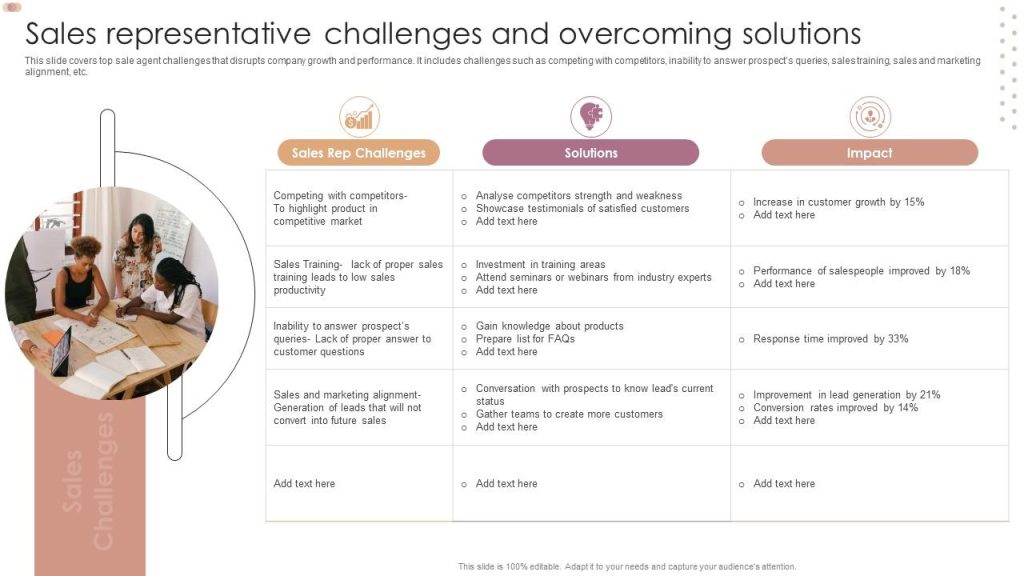
Overcoming sales challenges is a crucial aspect of navigating the dynamic business world. A sudden shift in customer behavior or an unexpected economic downturn can quickly derail sales strategies. Overcoming sales challenges in changing markets demands adaptability and proactive measures. It’s not just about reacting to the market but actively shaping your position within it. In this article, we’ll delve into effective strategies for maintaining sales momentum through flexibility and adaptation. We’ll explore how analyzing market trends, adjusting sales strategies, and nurturing a culture of learning can help your company thrive in challenging times. We will also discuss common challenges and provide practical solutions. The structure of this article includes a comprehensive exploration of sales challenges, flexible strategies, and adaptable techniques. Furthermore, we will introduce the importance of analyzing market trends. Finally, we will offer actionable advice and insights to help you overcome your sales challenges.
Analyzing Market Trends and Adapting Strategies
Identifying Key Market Trends
Businesses must consistently analyze market trends to stay ahead of the curve. This involves staying updated on evolving customer needs and preferences, technological advancements, and emerging competitors. Regular market research and competitor analysis are essential for staying informed. For example, an e-commerce company might notice an increasing demand for sustainable products. Recognizing this trend can allow them to adapt their inventory, marketing, and overall strategies to capitalize on this emerging demand. Understanding and responding to market trends is crucial for avoiding becoming irrelevant in the face of change.
Refining Sales Strategies
Once trends are identified, sales strategies must be adjusted. A company selling traditional appliances might see a shift in demand towards smart home products. In response, they could introduce a line of smart appliances or partner with a provider of smart home technology. Staying abreast of these changes and anticipating them enables the development of agile and successful strategies. This requires regular evaluations of the efficacy of existing sales methods and a willingness to experiment with new approaches.
Adapting to Changing Customer Behaviors
Customer behavior is dynamic. This impacts how companies must communicate with their customers. Social media analytics, website traffic data, and customer service feedback can all provide valuable insights into changing customer expectations. It is important to adapt messaging and sales pitches to effectively reach different segments. Companies need to understand the evolving needs, preferences, and buying patterns of their customers. This allows them to craft and deliver relevant and engaging messages.
Cultivating a Culture of Learning and Innovation
Fostering a Growth Mindset
In a rapidly changing market, employees need a growth mindset. This means encouraging them to embrace challenges, learn from mistakes, and constantly seek ways to improve. A company that actively encourages continuous learning will be better equipped to handle changes in the market.
Implementing Agile Sales Processes
Agile sales processes are crucial. This approach emphasizes flexibility and responsiveness to market changes. Companies must be prepared to quickly adjust strategies and adapt to changing customer demands. This often involves cross-functional collaboration and effective communication channels.
Exploring New Technologies and Techniques
Technology is rapidly evolving. Companies must continually explore and adopt new technologies and sales techniques to maintain their competitiveness. Adopting innovative tools and techniques for sales can lead to increased productivity and enhanced sales performance. Sales teams must also incorporate new technologies to streamline processes and optimize performance.
Building Resilience and Adaptability in Sales Teams
Training and Development
Sales training programs should equip teams with the skills necessary to adapt and thrive in changing markets. Upskilling employees in areas such as digital marketing, negotiation, and customer relationship management (CRM) can increase the organization’s responsiveness and flexibility. Companies should equip their staff with relevant, up-to-date knowledge and skills to face new sales challenges effectively.
Encouraging Employee Feedback and Ideas
Employee feedback is crucial. Companies should actively solicit feedback from their sales teams to gain insights into current market trends and potential challenges. This will provide a valuable perspective to improve sales strategies and optimize processes.
Building a Supportive Team Environment
Building a collaborative environment where employees feel supported and empowered is essential. Employees are more likely to be creative and adaptive if they feel comfortable sharing ideas and working together to find solutions to common challenges.
Utilizing Data-Driven Decision Making in Sales
Tracking Key Performance Indicators (KPIs)
Tracking key performance indicators (KPIs) is crucial for sales performance monitoring. These metrics will help to analyze sales data, identify trends, and make data-driven decisions. Sales analytics tools are essential for understanding current trends and tailoring strategies accordingly.
Conducting Regular Performance Reviews
Regular performance reviews of the sales process can help pinpoint any inefficiencies or areas needing improvement. Performance evaluations can highlight areas where the sales team performs well and where there are gaps. This data will help companies analyze, evaluate, and improve the overall effectiveness of their sales efforts.
Forecasting Market Trends
Accurate forecasting of future market conditions is critical to the overall success of the sales process. Understanding expected changes can influence decisions and actions that can better equip the sales team to succeed.
Case Study Example: Adapting to E-Commerce Growth
A traditional brick-and-mortar bookstore, faced with rising e-commerce adoption, decided to implement an omnichannel strategy. They developed a website that offered online ordering and delivery options and integrated these services with their physical store locations. By providing customers with flexibility in how they interact with the store, the bookstore increased sales and built a stronger brand.
Additional tips for overcoming challenges
The importance of flexible communication
The Role of Technology in Adapting Sales Strategies
Building Strong Customer Relationships in a Dynamic Market
Frequently Asked Questions
How can I adapt my sales strategies to changing market conditions?
Adapting to changing market conditions requires a flexible approach. Constantly monitoring market trends, understanding customer preferences, and adapting sales strategies accordingly is important. Companies should actively seek feedback from employees and customers to gauge the effectiveness of their current strategies and make necessary adjustments. Leverage data analysis to pinpoint areas needing improvement. Finally, consider exploring new sales channels and technologies that can help to maintain sales momentum.
What are some common sales challenges in a dynamic market?
Common sales challenges include fluctuating customer demand, shifting market trends, and increased competition. Companies must anticipate and respond to these challenges by creating agile sales strategies. They must identify changing customer expectations, use data-driven insights, and foster a culture of continuous learning and improvement. This will empower your teams to navigate market fluctuations.
In conclusion, overcoming sales challenges in changing markets hinges on adaptability and flexibility. By embracing innovative strategies, continuously analyzing market trends, and fostering a culture of learning, businesses can navigate uncertainty and thrive. This proactive approach will allow you to effectively position your company for success. Ready to implement these strategies and boost your sales? Download our free guide to learn more about cultivating a culture of adaptability. Click here: [Insert Link Here].


