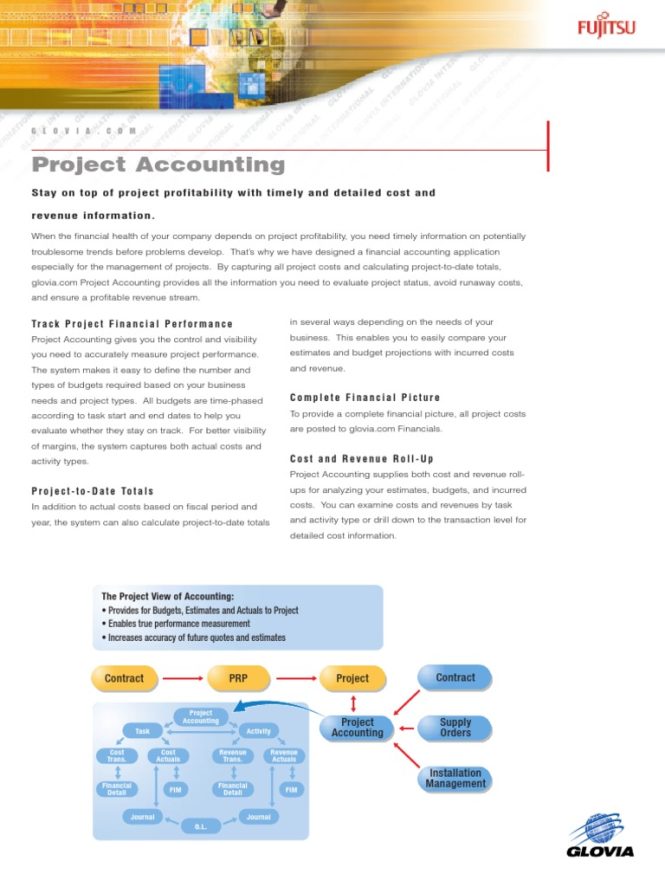
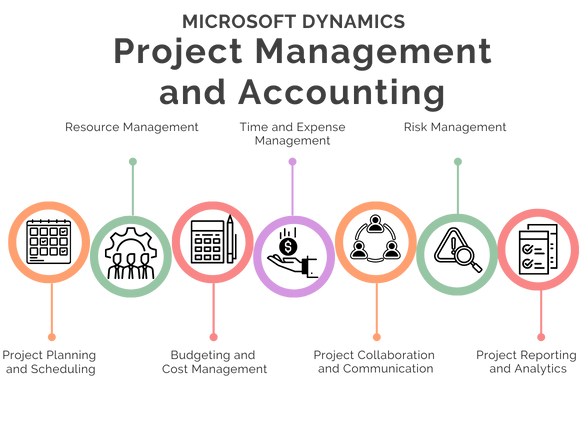
Understanding the role of accounting in project management today is essential for any project’s success. Project managers often grapple with balancing scope, schedule, and resources, and a robust understanding of accounting principles can significantly improve project performance. This article will delve into the crucial role of accounting in modern project management, outlining key strategies for optimizing resource allocation, enhancing cost control, and ultimately, delivering projects on time and within budget. This detailed guide will walk you through the fundamental concepts, practical applications, and real-world examples, preparing you to effectively integrate accounting into your project management processes.
The Fundamental Connection Between Accounting and Project Success
Unveiling the Importance of Financial Insight
Project success hinges on a delicate balance between technical expertise and sound financial management. Accounting principles provide the crucial framework for tracking project costs, managing budgets, and evaluating financial performance. Without accounting, projects run the risk of exceeding budgets, falling behind schedule, or failing to meet profitability goals. The crucial link between accounting and project success lies in the ability to precisely track and control costs.
Identifying and Addressing Financial Risks
Project managers can anticipate potential financial pitfalls and proactively implement corrective measures by incorporating accounting principles into their project management methodologies. Analyzing historical data and projecting future costs can help you prepare for unexpected expenses. A solid accounting system allows you to easily trace resources and allocate costs to specific project phases or tasks, enhancing transparency and accountability.
Example: A Construction Project
Imagine a construction project where detailed cost estimates are lacking. Without accurate accounting, the project risks running out of funds before completion, leading to costly delays or even project abandonment. However, by employing detailed accounting processes, you could closely monitor actual expenses versus budget forecasts, facilitating immediate identification of cost overruns and allowing for timely adjustments.
Key Benefits of Accounting in Project Management
Effective accounting practices can lead to several significant benefits, including accurate budgeting, precise cost control, and informed decision-making. The ability to measure financial performance throughout the project lifecycle enables proactive adjustments and helps to maintain project profitability. Proper accounting also improves the overall project performance by enhancing accountability and transparency.
Budgeting and Resource Allocation: Strategic Alignment
The Art of Effective Budgeting
Budgeting is a cornerstone of sound project management and relies heavily on accurate financial data. By integrating accounting practices into the budgeting process, you can create more realistic and comprehensive budgets that reflect project specifics. Developing accurate cost estimates, and allocating resources effectively are essential. Effective budget creation needs to be detailed and well-documented to help mitigate risks and ensure successful projects.
Example: Software Development Project
Consider a software development project. By accurately estimating labor hours, material costs, and other expenses, you can create a more accurate budget for the entire project. In fact, this can help in preventing future budget issues as you can estimate and predict future costs.
Key Considerations for Resource Allocation
Understanding the cost drivers of each task or project phase is crucial. With accurate accounting, you can track how resources are being used and identify any inefficiencies. Tracking actual versus projected costs will allow for better and more informed decisions concerning resource allocation.
Aligning Financial Resources with Project Goals
Effective budgeting and resource allocation is directly related to financial management, ultimately supporting project success. Proper budget management can enable you to align financial resources with project goals, leading to more successful outcomes. Accounting practices provide the necessary tools and insights for making informed decisions.
Cost Control Mechanisms: Maintaining Financial Health
Recognizing Cost Overruns
Cost overruns are a common pitfall in project management. Effective accounting provides the tools to monitor actual costs against projected costs, enabling quick identification of deviations. It’s essential to identify any variances to mitigate any possible financial risks. In order to prevent project overruns, constant monitoring of costs is essential.
Implementing Corrective Actions
Once deviations are identified, the project team can take corrective action. This could involve adjusting schedules, reallocating resources, or renegotiating contracts. Identifying the root cause of the deviations is vital.
Case Study: The "Bridge to Nowhere" Project
In the hypothetical “Bridge to Nowhere” project, poorly defined accounting led to significant cost overruns. The project ran over budget due to a lack of detailed budget planning and an understanding of project cost drivers. By utilizing detailed cost estimations, the project team could have better managed costs, anticipated potential delays, and prevented project failure.
Example: A Marketing Campaign
Consider a marketing campaign. Through accounting techniques, the project team could track the expenses of different marketing channels (e.g., social media, print advertising), and identify where funds are being spent most effectively. Identifying areas for increased efficiency can ensure the campaign’s overall success. Tracking expenses allows project managers to monitor spending and modify strategies when necessary.
Reporting and Analysis: Enhancing Transparency
Tracking Project Performance
Accounting plays a crucial role in providing real-time insights into project performance. Comprehensive reporting, based on project accounting, will be extremely beneficial. This helps in tracking key performance indicators (KPIs) and making necessary adjustments. Through the analysis of project performance indicators, it’s possible to identify key drivers of success or failure.
Financial Reporting and Decision Making
Effective financial reports, generated from accounting data, provide valuable insights for decision-making at all levels of a project. Reports can show where costs are exceeding the projected amounts. This allows for swift action to mitigate any adverse impact on projects.
Identifying Performance Gaps
By analyzing financial data, project managers can identify performance gaps and take corrective actions. This information is vital for evaluating the effectiveness of project strategies.
Ensuring Transparency and Accountability
Transparent financial reporting enhances accountability across all project stakeholders, ensuring everyone is on the same page regarding financial health and resources.
Enhancing Project Success Through Professional Accounting Practices
Selecting the Right Accounting Tools
Project managers should choose the right project accounting software that is tailored to their specific project needs. There are many available tools that can facilitate the organization of financial records and aid in the development of project reports.
Integration with Project Management Software
It’s also crucial to integrate accounting software with project management software to streamline data flow and facilitate accurate tracking of financial aspects. Using integrated tools will make the process much smoother.
Leveraging Technology for Efficiency
The use of technology can make accounting practices more efficient and reduce manual errors. Modern accounting software and project management software can streamline data flow and ensure accurate tracking of financial aspects.
Collaboration and Communication
Effective communication among team members, stakeholders, and the accounting team is crucial for successful project implementation. Collaboration is needed when integrating the accounting process into your project.
In conclusion, understanding the role of accounting in project management is crucial for success. By integrating accounting principles into project planning, execution, and control, project managers can make informed decisions, optimize resource allocation, and ultimately deliver projects on time and within budget. This knowledge is vital for maintaining financial health and ensuring project profitability. For detailed guidance on effective project accounting practices, consider exploring relevant resources and industry best practices. This approach will empower your projects to excel and yield positive financial returns.


