
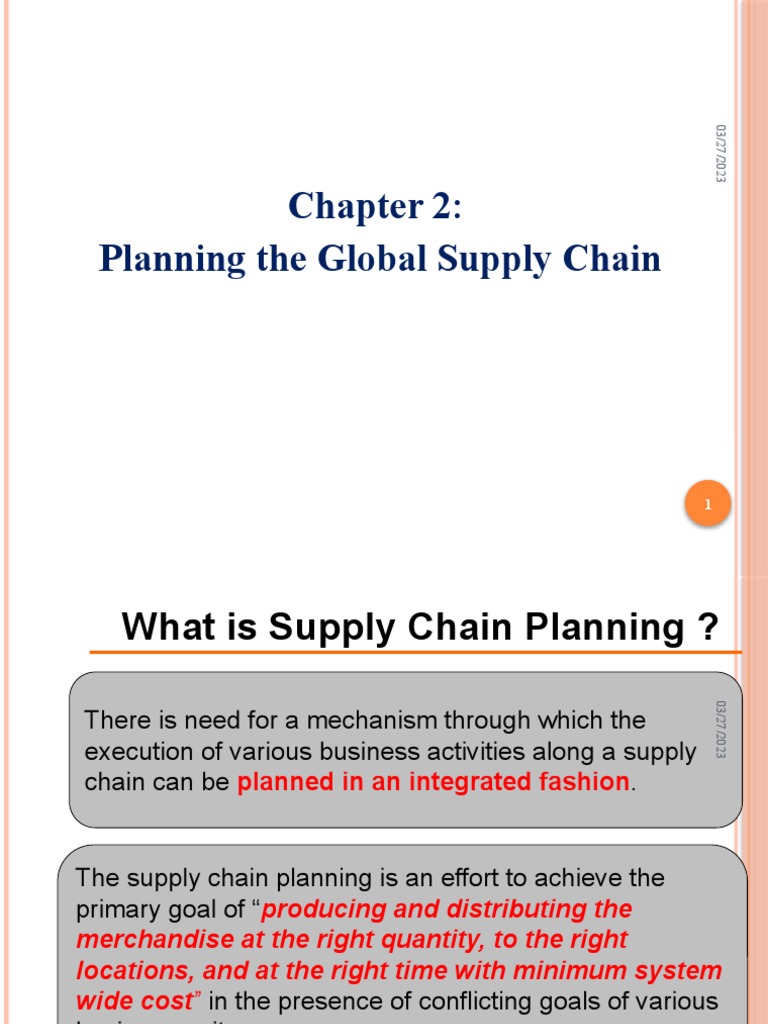
Managing international supply chains effectively is paramount in today’s globalized business environment. A seamlessly integrated and resilient supply chain is no longer a luxury but a necessity for companies operating across borders. This essential guide delves into the intricacies of international supply chain management, offering practical strategies and insights to help you navigate challenges and optimize your operations. The increasing complexities of global trade, fluctuating exchange rates, and geopolitical uncertainties create significant hurdles for businesses aiming to manage their international supply chains. This guide will outline these challenges and provide a step-by-step approach to mitigation. We’ll explore strategies for risk management, communication, and technological integration, demonstrating how these tools enhance visibility and reduce bottlenecks. The structure of this guide includes sections dedicated to risk assessment, communication protocols, technology implementation, and performance optimization. Each section will be supported by practical examples and data, providing you with actionable insights to integrate into your current strategies.
Assessing and Mitigating Risks in International Supply Chains
Identifying Potential Disruptions
International supply chains are intricate networks, often spanning multiple countries and involving numerous partners. A thorough risk assessment is crucial to anticipate and mitigate potential disruptions. Common disruptions include geopolitical instability, natural disasters, pandemics, and economic downturns in participating countries. Analyzing potential risks involves considering factors such as political instability in key markets, environmental risks, and disruptions to transportation. A thorough understanding of the political climate in various countries is essential. For example, a sudden trade embargo or political sanctions in a critical region could severely disrupt the flow of goods, causing substantial delays and potentially even complete supply chain breakdown. A comprehensive risk assessment should analyze the probability and impact of each potential disruption, allowing companies to formulate appropriate contingency plans.
Optimizing Communication Protocols Across Borders
Establishing Clear Communication Channels
Effective communication is vital in managing complex international supply chains. Clear communication protocols are paramount for coordinating actions and ensuring transparency throughout the entire process. Different time zones, language barriers, and varying business cultures can significantly impact the efficiency and accuracy of communication. Establishing standardized communication channels is crucial to ensure that relevant information reaches the appropriate personnel promptly. Utilizing real-time communication tools, such as video conferencing platforms and instant messaging systems, enables seamless interaction among stakeholders across different locations. Implementing shared platforms or portals for document sharing and updates ensures transparency and allows all parties involved to remain informed. Furthermore, clear and consistent communication about potential disruptions or changes ensures all involved parties are aware of the latest situation, enabling faster adjustments and minimized negative impact.
Leveraging Technology for Enhanced Visibility and Control
Implementing Advanced Tracking Systems
Technology plays a critical role in enhancing visibility and control within international supply chains. Advanced tracking systems provide real-time data on the location and status of goods throughout the supply chain. This real-time data significantly improves inventory management and allows businesses to make more informed decisions concerning logistics. By implementing advanced tracking systems, businesses gain crucial insights into potential bottlenecks and delays, enabling proactive interventions. A global supply chain monitoring platform allows for centralized visibility into inventory movements. Advanced analytics can also forecast potential disruptions by identifying patterns and trends in past data. Using GPS tracking throughout the supply chain is an effective method for achieving greater visibility and control, enabling a real-time analysis of inventory movement.
Building Strong Relationships with Suppliers and Partners
Fostering Trust and Transparency
Strong supplier relationships are fundamental to a resilient international supply chain. Building trust and fostering transparency with your global partners are critical for long-term success. This approach promotes collaboration and shared responsibility. Regular communication channels allow for proactive problem-solving. Open communication channels for sharing information, addressing concerns, and anticipating issues collectively ensures a smoother supply chain. Recognizing cultural nuances in communication is essential to building relationships that are both effective and respectful. This cultural awareness is particularly vital for maintaining strong supplier relationships in international settings, promoting mutual understanding and trust.
Implementing Strategies for Performance Optimization
Continuous Improvement
Optimizing international supply chain performance requires a continuous improvement approach. Regular reviews and analysis of key performance indicators (KPIs) offer insights into areas for improvement. This systematic approach identifies inefficiencies and allows for proactive adjustments to maximize efficiency and minimize delays. Implementing an inventory management system can minimize storage costs and improve supply chain efficiency. Regular performance reviews and KPIs provide critical insights into areas for improvement in communication, risk management and supplier relationships.
In conclusion, effectively managing international supply chains is crucial for global competitiveness and success. By implementing robust strategies for risk mitigation, communication, and technology integration, businesses can navigate complexities and achieve optimal outcomes. This guide has provided actionable insights to help you streamline your supply chain processes. To further enhance your understanding of managing international supply chains, consider exploring specialized resources and certifications. Contact a supply chain management expert for tailored advice relevant to your specific needs.


