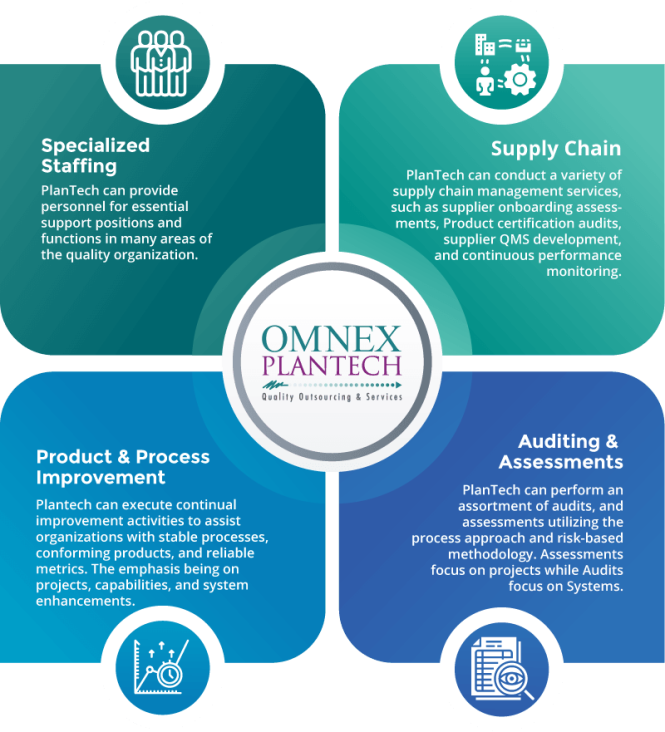

Outsourcing and quality management are crucial for businesses seeking to elevate their service standards and enhance their competitive edge. A successful outsourcing strategy hinges not just on choosing the right provider, but also on implementing robust quality assurance measures to consistently meet and exceed client expectations. Many businesses face challenges in maintaining service quality across outsourced operations. This can lead to inconsistencies in service delivery, frustrated clients, and a damaged brand reputation. This article explores the key strategies to effectively manage outsourcing quality and ensure high service standards. We’ll delve into the practical aspects of integrating quality control measures throughout the entire outsourcing process. This includes identifying potential risks, establishing clear service level agreements, and implementing ongoing performance monitoring systems. Let’s dive in!
Defining Outsourcing and Quality Management
Understanding the Core Concepts
Outsourcing is the delegation of specific tasks or functions to a third-party provider. This can encompass a wide range of services, from customer support and IT services to manufacturing and logistics. Quality management, on the other hand, encompasses the processes and procedures put in place to ensure consistent and high-quality output. Essentially, it’s about maintaining a standard of excellence in all aspects of an organization’s operations. Integrating both concepts allows companies to leverage the expertise of external providers while maintaining stringent quality benchmarks.
Establishing Clear Service Level Agreements (SLAs)
Defining Measurable Outcomes
Service Level Agreements (SLAs) are critical components in outsourcing arrangements. They define specific performance metrics for outsourced services, outlining the expected level of quality, response times, and key performance indicators (KPIs). Without clear SLAs, it becomes difficult to monitor performance and identify areas needing improvement. For example, a company outsourcing customer support might define an SLA specifying an average response time of 60 seconds for customer inquiries and a resolution rate of 95%. These measurable targets are paramount in ensuring the provider consistently meets expectations.
Implementing Quality Control Processes
Proactive Risk Mitigation
Quality control is a fundamental aspect of successful outsourcing, encompassing the procedures and processes for monitoring, evaluating, and improving the quality of outsourced services. A proactive approach to quality control can identify potential problems early on, reducing risks and preventing issues from escalating. One such process involves regular audits, conducted by internal or external quality assurance teams. For instance, a financial services company outsourcing its customer service operations can implement weekly audits to evaluate call resolution times, agent performance, and adherence to company policies. This approach is especially effective in maintaining consistency and ensuring compliance with industry regulations. Consistent quality control, therefore, prevents small issues from becoming major problems that have lasting repercussions on business.
Ongoing Performance Monitoring and Feedback
Continuous Improvement through Data
Ongoing performance monitoring and feedback loops are pivotal in maintaining high service standards. This involves collecting data on key performance indicators, identifying trends, and regularly assessing the effectiveness of the outsourcing arrangement. Continuous monitoring enables businesses to address discrepancies and areas requiring improvement quickly, allowing for proactive measures to maintain high service standards. Implementing regular reviews of service performance is vital. Software solutions often offer comprehensive dashboards, providing real-time visibility into key metrics, allowing managers to immediately identify potential bottlenecks or areas of concern and to address issues before they escalate into major problems.
Cultivating Strong Vendor Relationships
Building Trust for Sustainable Quality
Building strong and collaborative relationships with the outsourcing vendor is crucial for achieving lasting quality. Open communication channels, regular meetings, and a shared understanding of expectations can enhance the effectiveness of the outsourcing relationship. A constructive feedback mechanism enables both parties to work together to resolve issues and improve service quality. Regular feedback sessions, both formal and informal, create a platform for both parties to share insights and address any concerns. This mutual understanding creates trust and fosters collaborative efforts to deliver high-quality service.
How can companies ensure that outsourced services meet industry standards?
Companies can ensure alignment with industry standards by establishing clear service level agreements (SLAs) that incorporate industry benchmarks. Also, ensuring that vendors possess the necessary certifications and expertise in the relevant sector and conducting regular audits are vital to maintaining consistency and meeting quality standards. Compliance with applicable regulations should also be actively monitored. This comprehensive approach to monitoring and oversight significantly improves service consistency.
What are some potential risks to consider when outsourcing and how can they be managed?
Potential risks in outsourcing can range from communication breakdowns to discrepancies in quality. To mitigate these risks, companies should implement a comprehensive risk assessment process, proactively identify and address potential communication issues. This includes establishing clear communication channels, regular meetings, and well-defined reporting procedures. Proactive risk management safeguards the quality and reliability of the outsourcing process.
Frequently Asked Questions
What are the key benefits of outsourcing while prioritizing quality?
Outsourcing, when properly managed through quality control measures, can result in significant cost savings, access to specialized expertise, and increased efficiency. However, the primary benefit is maintaining high-quality service. Quality-focused outsourcing allows businesses to concentrate on core competencies while leveraging external expertise. By setting clear expectations and monitoring performance, companies can ensure consistent service levels, avoid significant performance issues and maintain brand reputation.
In conclusion, outsourcing and quality management are essential components for businesses seeking to elevate their service standards. By implementing robust quality assurance strategies during the outsourcing process, companies can mitigate potential risks, ensure service consistency, and ultimately deliver exceptional value to clients. A proactive approach to quality control, coupled with clear communication and collaboration between in-house teams and external service providers, is key. This comprehensive strategy allows for continuous improvement and fosters a culture of quality within the organization. To ensure sustainable success, companies should prioritize ongoing training and performance monitoring. This continuous effort is crucial in maintaining high service standards, guaranteeing customer satisfaction, and driving business growth.


