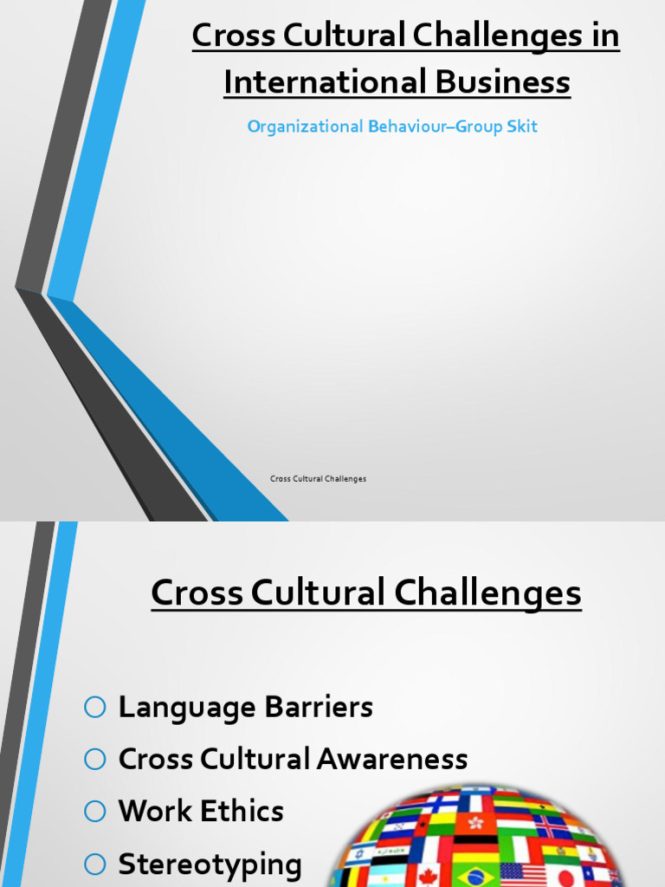
Overcoming cultural challenges in international outsourcing ventures is crucial for success in today’s globalized business environment. Imagine a multinational team collaborating seamlessly across time zones and cultures, leveraging diverse skills and perspectives to achieve common goals. However, significant hurdles arise in such ventures. International outsourcing, while offering cost-effective solutions and access to global talent, often faces obstacles due to cultural differences. These differences can lead to misunderstandings, communication breakdowns, and ultimately, project failures. This article outlines practical strategies to identify and overcome these challenges, ensuring smooth operations and successful international partnerships.
Understanding the Root of Cultural Differences
Identifying Key Cultural Dimensions
International outsourcing ventures inherently involve navigating diverse cultural backgrounds. Understanding the key cultural dimensions, such as communication styles, work ethics, and decision-making processes, is fundamental for success. For instance, some cultures favor direct and explicit communication, while others prefer indirect and nuanced approaches. These differences can lead to misunderstandings if not addressed. Furthermore, varying perspectives on time management and work-life balance can create friction within a global team. A well-defined understanding of cultural norms and values can mitigate these risks. Failing to appreciate these differences can impede smooth communication and project progress.
Building Effective Cross-Cultural Communication
Strategies for Clear Communication
Clear and concise communication is paramount in any business venture, but it takes on added significance in international outsourcing. Implementing standardized communication protocols and encouraging active listening are crucial steps. Teams should be explicitly trained on the appropriate communication styles for each culture involved. This may involve using diverse communication channels, such as video conferencing tools with captioning, or facilitating direct translation services. For instance, a project manager needs to adjust communication frequency to accommodate varying cultural time zones. Regular check-ins and clear expectations ensure a shared understanding. Finally, having a dedicated point person for cultural liaison can greatly assist in navigating nuanced communication styles.
Fostering a Collaborative and Inclusive Environment
Building Trust and Rapport
Building a supportive and inclusive environment is essential for international outsourcing success. Encourage open dialogue and active listening among team members. Implementing regular team-building activities can foster trust and camaraderie, even across vast distances and cultural differences. In a practical sense, leveraging technology to facilitate virtual interactions and encourage participation can promote a sense of belonging for all members. For instance, a company can schedule virtual coffee breaks or social events to promote informal interactions. Cultural differences should be recognized as valuable assets rather than barriers.
Utilizing Cultural Sensitivity Training
Enhancing Understanding and Empathy
Cultural sensitivity training equips team members with the knowledge and skills needed to work effectively in diverse international environments. This training can cover topics like communication styles, nonverbal cues, and cultural norms. Companies can leverage online platforms or workshops to provide such training. For instance, a company can organize regional training sessions that include experts in cross-cultural communication. This approach allows for effective knowledge sharing and a common understanding of the cultural nuances within the global workforce. Encouraging a culture of respect and understanding is pivotal in mitigating misunderstandings.
Implementing Standardized Procedures and Guidelines
Establishing Clear Roles and Responsibilities
Establishing clear communication protocols, procedures, and guidelines is a vital step. Use technology-driven tools to streamline and standardize workflows across various time zones. This could involve using project management software with built-in translation features or a shared platform for documentation and communication. For instance, a multinational organization can create a comprehensive style guide that includes preferred communication formats and acceptable terminology.
This section contains potential Frequently Asked Questions concerning overcoming cultural challenges in international outsourcing ventures, along with possible answers:
Q1: How can I effectively manage communication barriers in international outsourcing?
Answer: Implementing standardized communication protocols, utilizing translation services, and providing cultural sensitivity training to both in-house and remote staff are vital. This includes emphasizing clear expectations for communication, regular check-ins, and using communication technologies that cater to various time zones and cultural needs. This will ensure smooth, efficient project execution.
Q2: What are the key elements to include in a robust cultural sensitivity training program for international outsourcing?
Answer: A comprehensive cultural sensitivity training program should cover various cultural aspects, such as communication styles, etiquette, and work ethics. It should also address potential biases, stereotypes, and encourage active listening and empathy training. This ensures employees understand and respect varying approaches to work, and allows for open dialogue.
In conclusion, successfully navigating cultural differences in international outsourcing ventures hinges on proactive communication, cultural sensitivity training, and fostering a collaborative environment. By understanding and addressing potential cultural challenges, companies can leverage the advantages of outsourcing and achieve optimal outcomes. This involves a commitment to continuous learning and adaptation. To maximize your success, develop a strong understanding of the diverse cultural backgrounds involved and proactively implement strategies to bridge communication gaps. Furthermore, consider providing cultural sensitivity training for your team to promote awareness and empathy. Reach out to experts in global talent management and cross-cultural communication for personalized support and solutions.


