
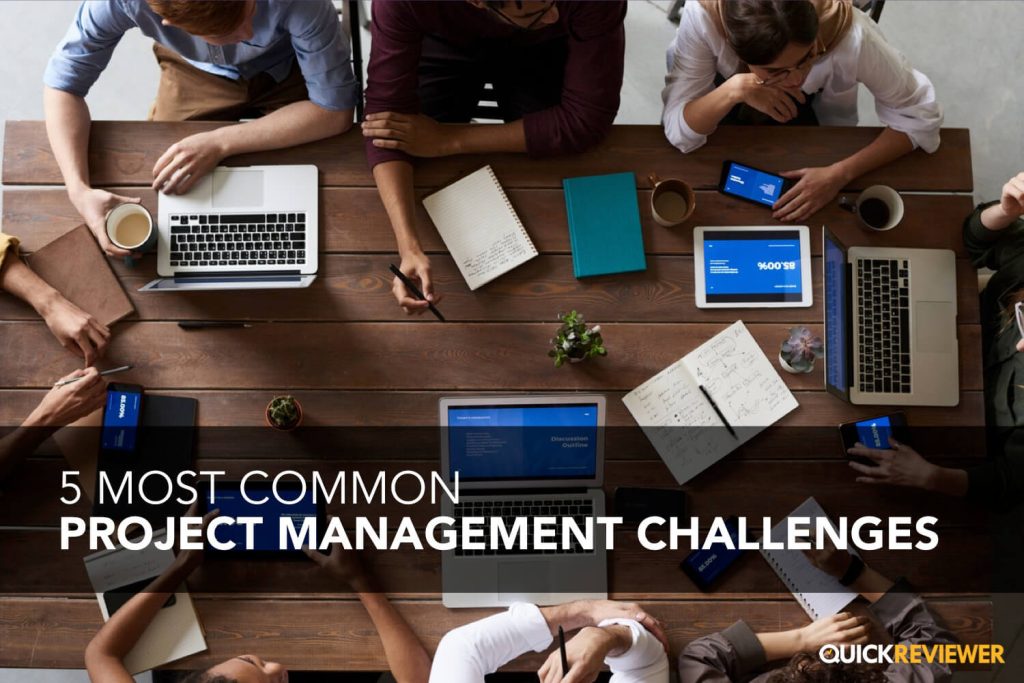
Strategies to overcome common challenges in effective project management are essential for successful project outcomes. A poorly managed project can lead to missed deadlines, exceeding budgets, and ultimately, project failure. Project management encompasses a wide range of activities, from initial planning and resource allocation to execution and closure. Effective project management isn’t simply about completing tasks; it’s about strategically navigating the complexities involved to achieve project goals. Many project managers face challenges like unclear project scopes, ineffective communication, or resource constraints. This article provides actionable strategies to tackle these obstacles and build more effective project management processes, ensuring projects stay on track and meet their objectives.
Defining Project Management Challenges
Effective project management is often hampered by a variety of predictable challenges. Understanding these issues is the first step to tackling them. These challenges span a range of factors, from unclear project scopes to misaligned stakeholder expectations and insufficient resource allocation. Project managers must proactively address these issues to ensure project success. The more effectively you identify and approach these issues, the more you will likely achieve project milestones on time and within budget.
Unclear Project Scope
One of the most common project management challenges is an unclear or evolving project scope. This often leads to scope creep, where project requirements expand beyond the initial plan. This, in turn, can lead to cost overruns, delays, and ultimately project failure. Effective scope management techniques are critical to mitigating this risk.
Ineffective Communication
Effective communication is essential for coordinating project activities and ensuring stakeholders are aligned. Misunderstandings, poor communication channels, or lack of communication can lead to conflicts, delays, and ultimately project failure. For example, if a key stakeholder isn’t informed about changes, it can cause significant problems.
Resource Constraints
Limited resources, whether human, financial, or technological, can hinder project progress. Effective resource planning and allocation are essential for ensuring projects have the necessary support. Insufficient staff, budget overruns, or a lack of essential tools and equipment can all impact project timelines and outcomes.
Proactive Planning and Risk Management
Proactive planning is fundamental to mitigating project risks. A comprehensive project plan should anticipate potential issues and outline strategies for handling them. This includes developing contingency plans, assigning clear responsibilities, and establishing communication protocols to proactively address emerging issues.
Defining Clear Roles and Responsibilities
Assigning clear roles and responsibilities within a project team is critical for effective workflow. This ensures that tasks are completed efficiently, reducing delays. A well-defined project structure will allocate roles accordingly, allowing seamless task execution.
Effective Communication and Stakeholder Management
Communication plays a vital role in project success. Open communication channels, regular status updates, and active listening are crucial for maintaining stakeholder alignment and addressing potential issues.
Stakeholder Engagement
Engage stakeholders throughout the project lifecycle. Regular meetings, progress reports, and feedback mechanisms are essential to keep them informed and involved. This will help maintain alignment with goals and provide valuable insights for adjusting the project as needed.
Adaptability and Problem-Solving
In project management, unexpected challenges are inevitable. Adaptive problem-solving strategies are necessary to navigate unexpected roadblocks. This involves flexibility, critical thinking, and creative problem-solving. This is an ongoing process to maintain control and ensure successful outcomes.
Proactive Problem Solving
Anticipate potential issues and develop proactive strategies to address them. By identifying risks early, you can implement preventative measures. Early problem identification will lead to more efficient problem resolution, limiting project delays.
Time Management and Resource Allocation
Effective time management and resource allocation are critical for successful project completion. Establishing realistic timelines, prioritizing tasks, and optimizing resource utilization are essential.
Prioritizing Tasks
Developing a prioritization system helps to ensure critical tasks are completed effectively and on time. This systematic approach allows you to anticipate resource demands and address potential issues that could lead to project delays.
Case Study: Project Overruns
Several factors can cause projects to overrun. One example is insufficient resource allocation. If critical resources are not available in the time frame needed, the project may suffer delays and exceed budget allocations. This can be exacerbated by a lack of communication between team members, stakeholders, or with the project manager. Using efficient communication and problem-solving skills can prevent issues.
Case Study: Project Scope Creep
Scope creep often occurs when the initial project scope isn’t clearly defined. Ambiguous project goals, evolving client requirements, or insufficient change management processes can lead to project scope creep. This can be addressed with a well-defined project scope document and frequent meetings to discuss change requests and ensure stakeholder alignment.
Tips for Successful Project Management
Establishing a clear project scope from the beginning is essential. Ensure that everyone involved understands the project requirements and the desired outcome. Proactively address potential challenges and develop contingency plans to mitigate risks.
Frequently Asked Questions
What are the most common challenges in project management?
One of the most common challenges in project management is ineffective communication. Poor communication between team members, stakeholders, and project managers can lead to delays, misinterpretations, and ultimately project failure. Scope creep, where the project scope expands unexpectedly, is another major challenge. Unclear project requirements, constantly changing priorities, and lack of clear communication often lead to scope creep. In addition to these, ineffective planning, insufficient resources, or conflicts among team members can severely hinder project progress.
How can I overcome project management challenges?
To overcome project management challenges, a proactive approach is essential. Developing a comprehensive project plan from the outset, including clear scope definitions, is key. Establish effective communication channels to keep all stakeholders informed, including frequent progress updates and feedback sessions. Addressing potential risks and establishing contingency plans is also crucial for adaptability and preventing delays. By allocating resources effectively and prioritizing tasks, you can minimize the impact of any potential constraints and ensure smooth project execution. The most important factor is maintaining open communication and ensuring all stakeholders are aligned with the overall project goals.
In conclusion, mastering project management strategies is crucial for success in any field. By understanding and effectively addressing common challenges, teams can improve efficiency, reduce risks, and ultimately achieve project objectives. Remember, proactive planning, effective communication, and adaptable problem-solving are key to navigating project complexities. We encourage you to implement these strategies in your projects, continuously seeking improvement and learning from past experiences. This will lead to more successful outcomes, increased profitability, and satisfied clients. Ready to elevate your project management skills? Visit our website for more in-depth resources and workshops.


