Navigating International Intellectual Property Rights is crucial for any business operating across borders. Protecting your inventions, trademarks, and copyrights globally is essential for maintaining a competitive edge in the international marketplace. But the complexities of differing legal systems, cultural interpretations, and enforcement procedures can present significant challenges. This comprehensive guide unravels the intricate world of international intellectual property rights, equipping you with actionable strategies to safeguard your assets and avoid costly disputes. We’ll cover key areas from understanding different jurisdictions to practical steps for enforcement. Let’s delve into the world of global IP protection, and ensure your business is well-positioned for international success.
Understanding the Landscape of International Intellectual Property
Defining Intellectual Property Rights
Intellectual property (IP) rights encompass creations of the mind, including inventions, trademarks, and literary and artistic works. These rights provide exclusive rights to the creators or owners, allowing them to control the use and commercialization of their creations. International IP rights, therefore, pertain to those same protections across different countries, acknowledging the unique regulations and policies of each jurisdiction. Different countries have their own systems for protecting intellectual property, including patents, trademarks, and copyrights. These systems often reflect different approaches to innovation and creativity. Understanding these differences is paramount when operating internationally. A strong IP strategy should incorporate a deep understanding of each region’s legal framework.
The Importance of International IP Protection
Protecting intellectual property globally is essential for a company’s long-term success in international markets. A robust IP strategy protects innovative outputs from piracy and counterfeiting, which can decimate market share and profitability. International recognition of IP rights, while not universal, ensures businesses can leverage their assets effectively in various markets. It enables companies to maintain brand identity, protect their investments, and foster a culture of innovation. This allows businesses to fully capitalize on global opportunities, whether they’re establishing a presence, expanding a brand, or licensing IP internationally.
Navigating Diverse Jurisdictional Frameworks
Understanding National Differences
International intellectual property protection is not a one-size-fits-all solution. Each country has its own set of laws, regulations, and enforcement mechanisms for protecting intellectual property. Companies operating globally must carefully assess the intellectual property laws of each country or region where they intend to do business. For example, patent laws in the US differ from those in Europe, and copyright protection varies in different parts of the world. This necessitates a thorough understanding of each jurisdiction’s unique legal requirements for protection, which could include registration, and other compliance processes. This diversity necessitates a customized approach to IP protection.
Choosing the Right Protection Strategy
Companies need to tailor their intellectual property protection strategy to each jurisdiction. For example, obtaining a patent in the US may require different steps or documentation compared to obtaining a similar protection in the EU. A clear strategy must balance the costs of acquiring IP rights against the potential returns in each jurisdiction. Conducting thorough due diligence to understand the local regulations, is essential to avoid costly mistakes. A company must choose the appropriate mix of patent, trademark, and copyright protections for each country, based on the nature of its products or services.
Strategies for Effective IP Enforcement
Utilizing Legal Remedies
Understanding the legal pathways for enforcing your intellectual property rights is crucial when operating internationally. Companies must be prepared to pursue legal action against those who infringe on their rights. This involves gathering evidence of infringement, engaging legal counsel experienced in international IP disputes, and filing appropriate lawsuits in the relevant jurisdictions. Legal actions, such as cease-and-desist letters, are vital in discouraging further infringement. Companies need to actively monitor the market to identify potential infringements, and a proactive approach to enforcement is key.
International Cooperation and Treaties
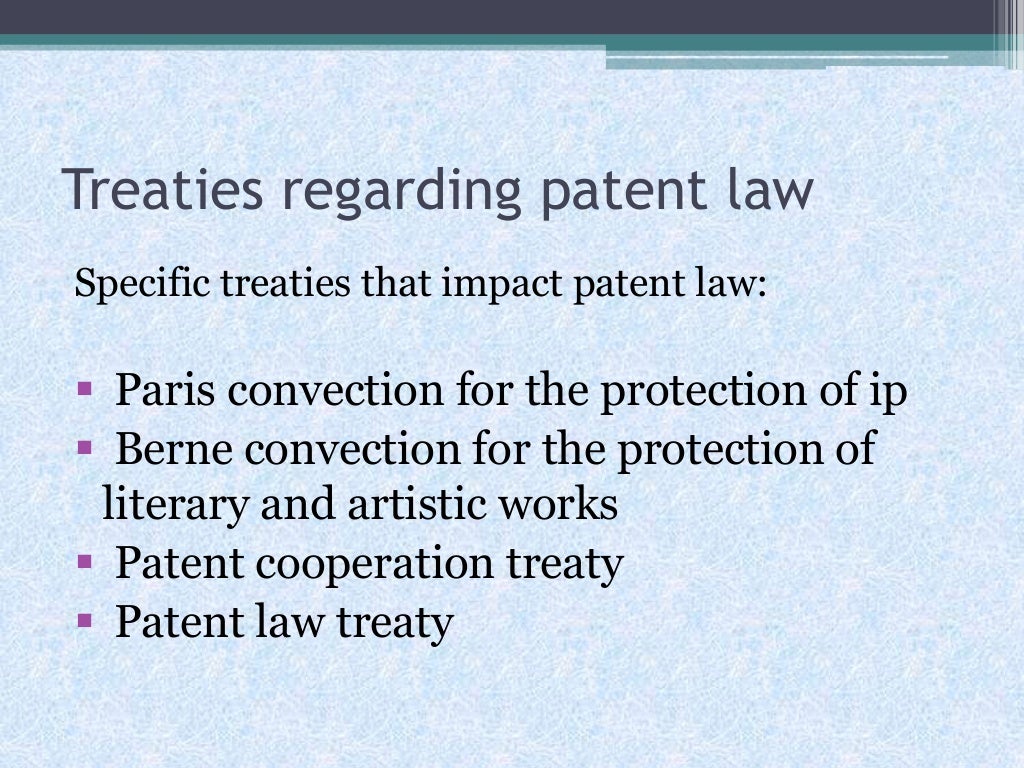
International cooperation plays a vital role in enforcing IP rights across borders. Agreements between countries (like the Madrid Protocol for trademarks) facilitate faster and easier enforcement processes. Companies can leverage these treaties and collaborations to navigate the complexities of enforcement. This cooperation fosters a more unified approach to intellectual property issues, which can simplify enforcement processes. Companies looking to expand internationally should consider joining trade associations or organizations that represent their sector’s interests on IP rights.
Managing IP Portfolios for Global Expansion
Establishing a Robust IP Portfolio Strategy
A strategic approach is necessary for managing a company’s intellectual property portfolio as it expands internationally. This includes documenting all intellectual property assets, including patents, trademarks, and copyrights, to ensure a comprehensive record. Creating an organized system for tracking IP applications and registrations across different countries is vital. A comprehensive inventory of assets allows for easy tracking and identification of potential infringement or licensing opportunities. Centralized records, and documentation, is vital in maintaining a unified approach.
Leveraging Licensing and Collaboration
Licensing intellectual property can be an effective strategy for expanding internationally. Licensing agreements allow companies to grant permission to others to use their intellectual property in exchange for fees. This can be a crucial part of a company’s expansion into new markets. In some cases, strategic collaborations can offer reciprocal advantages in expanding your market presence and IP protection. Licensing can be a cost-effective way to reach new markets while minimizing initial investment.
Case Studies and Best Practices
Examples of Success and Failure
Numerous companies have illustrated best practices and pitfalls in the area of international intellectual property. Examining success stories and case studies can provide valuable insights. For instance, successful global brands have established comprehensive IP protection strategies, including trademark registration in every market they operate in. Conversely, companies that neglected to carefully consider local regulations, faced legal battles and lost substantial revenue. It is crucial to take proactive measures, from understanding the regulations in each country, to choosing the right strategies and obtaining legal advice, to avoid costly mistakes.
Key Considerations for Protecting IP Rights
When operating internationally, careful consideration of the specific regulations in each country is paramount. Maintaining thorough records and documentation of IP assets is vital for future legal claims. Regularly updating IP strategies in response to evolving legal landscapes is necessary. This may include adapting strategies based on emerging technologies, legal decisions, or shifts in market dynamics. Proactive measures such as thorough legal consultation and documentation of all IP-related activities are vital.
In conclusion, navigating international intellectual property rights is a multifaceted process requiring a deep understanding of various legal frameworks and cultural nuances. By proactively seeking expert guidance, businesses can significantly reduce the risk of disputes and ensure that their intellectual property assets are protected globally. Understanding the nuances of different jurisdictions is key, as is maintaining comprehensive documentation to support claims. This article has provided a comprehensive overview, but seeking legal counsel specific to your region and industry is crucial for a personalized approach. Contact a qualified IP attorney to discuss your specific needs and formulate a robust IP strategy.


